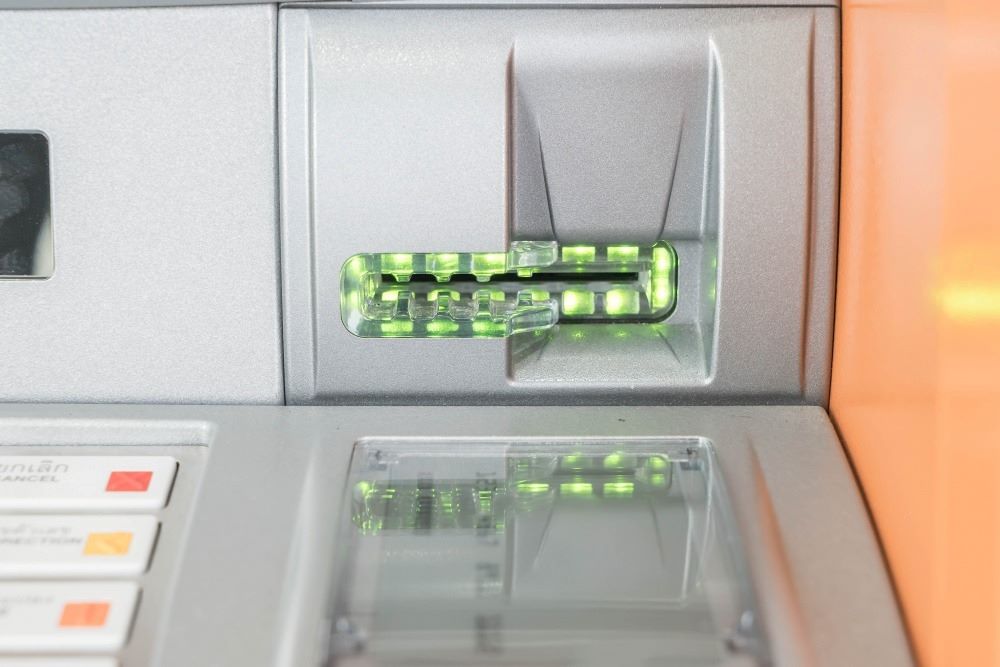
Automated teller machines are critical components of modern banking, providing customers with convenient access to cash and financial services. However, the performance of an ATM depends heavily on its telecommunications setup. Choosing the right connection—whether a wireless ATM, DirectIP ATM, or dial-up ATM—affects reliability, speed, and security. Understanding the differences among these options helps banks, credit unions, and independent operators optimize both customer experience and operational efficiency.
Why ATM Connectivity Matters
An ATM internet connection is essential for processing transactions, verifying account balances, and delivering real-time updates. Without a stable connection, transactions can fail, leading to customer dissatisfaction and potential financial discrepancies. Selecting the correct telecommunications setup ensures that ATMs function reliably while meeting security and compliance requirements. Factors such as location, transaction volume, and maintenance accessibility influence which solution is best for each machine.
Wireless ATM: Flexibility and Convenience
A wireless ATM relies on cellular networks or Wi-Fi to connect to the banking system. This setup offers flexibility, particularly for locations where wired infrastructure is limited or expensive to install. Wireless ATM connectivity allows operators to deploy machines in remote or high-traffic areas without extensive cabling. Advances in mobile network reliability and security make wireless ATM a viable choice for many businesses. Additionally, wireless setups support quick relocation of ATMs to adapt to seasonal demand or new foot traffic patterns, providing operational agility.
DirectIP ATM: Speed and Reliability
DirectIP ATM connectivity uses dedicated internet lines to connect machines directly to banking networks. This setup offers higher transaction speeds and reduced latency compared with dial-up or standard wireless connections. DirectIP ATM systems are highly reliable and suitable for high-volume locations, such as shopping centers or urban branches, where fast and consistent transaction processing is critical. An ATM internet connection via DirectIP also supports advanced monitoring, reporting, and remote software updates, enhancing both operational efficiency and security.
Dial-Up ATM: Cost-Effective but Limited
Dial-up ATM connections use traditional telephone lines to transmit transaction data. While dial-up ATM setups are generally less expensive to deploy, they are slower and may not support high-volume transaction processing efficiently. This option is often suitable for low-traffic or remote locations where other connectivity options are not feasible. However, operators must weigh the trade-offs, as slower speeds can lead to longer customer wait times and increased maintenance challenges. Dial-up ATM solutions may also be less compatible with modern security protocols, requiring careful monitoring.
Factors to Consider When Choosing an ATM Connection
When selecting an ATM telecommunications setup, several factors should guide the decision:
- Transaction Volume: High-traffic locations benefit from DirectIP ATM connections for faster processing, while low-traffic sites may be adequately served by dial-up ATM.
- Location Infrastructure: Areas with limited cabling may rely on wireless ATM technology for installation flexibility.
- Reliability Needs: Businesses that require uninterrupted service should prioritize DirectIP ATM or high-quality wireless connections.
- Cost Considerations: Wireless ATM and dial-up ATM setups often have lower installation costs, but ongoing transaction fees and reliability issues should be considered.
- Security Compliance: Ensure that the ATM internet connection meets regulatory and encryption standards to protect customer data.
Hybrid and Backup Solutions
Many operators use hybrid approaches to maximize reliability. For example, an ATM may primarily use a DirectIP ATM connection but include a wireless ATM backup in case of network failures. These redundancies ensure continuous service and minimize downtime, which is especially important for high-traffic areas or machines serving critical community needs. Regular testing of backup connections helps maintain operational continuity.
The Future of ATM Connectivity
Emerging technologies, such as 5G networks and advanced wireless encryption, are making wireless ATM solutions faster, more secure, and increasingly viable for high-volume deployments. DirectIP ATM remains the standard for speed and reliability, particularly in urban and commercial hubs. Dial-up ATM is becoming less common as digital infrastructure expands, but it continues to serve niche applications where cost and infrastructure limitations dictate the solution. Operators should evaluate both current performance requirements and future scalability when planning ATM internet connection strategies.
FAQ’s
Q1. Do ATMs need internet to work?
A. Yes, an ATM internet connection is essential for processing transactions, verifying balances, and maintaining real-time communication with banking networks.
Q2. What is the best connection type for ATMs?
A. The best connection depends on location, transaction volume, and reliability needs. DirectIP ATM offers high speed and consistent performance, wireless ATM provides flexibility and easy deployment, and dial-up ATM is suitable for low-traffic or cost-sensitive locations.