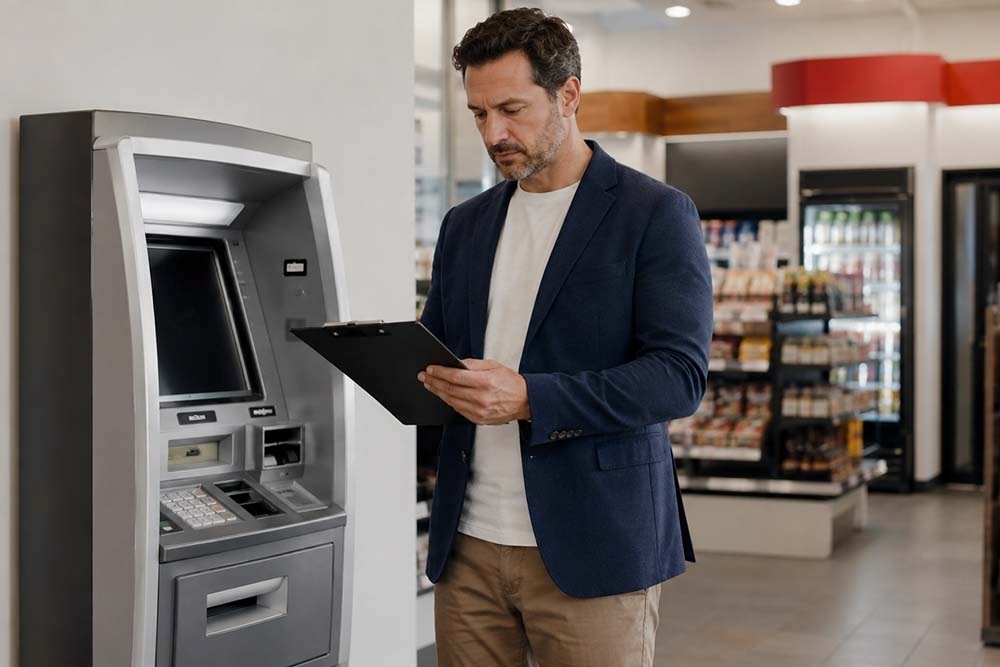
Installing an ATM can increase customer convenience, generate additional revenue, and encourage more in-store spending. However, selecting the right equipment requires more than comparing prices. Business owners should understand the available machine types, hardware features, security standards, and maintenance requirements before signing any agreement. Whether you are looking for an ATM equipment in Canada 2026 guide, researching types of ATM equipment in Canada, reviewing an ATM hardware guide Canada 2026, or comparing ATM equipment specifications Canada, making an informed decision helps ensure long-term reliability and value.
Understanding ATM Equipment
ATM equipment includes the physical machine, internal hardware, software, security components, and communication systems required to process transactions. Different businesses require different ATM configurations depending on customer traffic, available space, and expected transaction volumes.
A comprehensive ATM equipment in Canada 2026 guide should explain not only the appearance of the machine but also its technical capabilities, durability, maintenance requirements, and upgrade options. Understanding ATM equipment specifications in Canada helps businesses choose equipment suited to both current operations and future growth.
Types of ATM Equipment
Canadian businesses can choose from several ATM styles based on their location and operational needs. The most common types of ATM equipment in Canada include freestanding ATMs, through-the-wall ATMs, lobby ATMs, countertop models, and outdoor weather-resistant machines.
Freestanding ATMs are popular for retail stores, convenience stores, restaurants, and shopping centres because they require minimal structural modifications. Through-the-wall machines are commonly installed in banks or high-traffic commercial buildings where customers can access the ATM from outside.
Reviewing an ATM hardware guide for Canada 2026 helps business owners compare installation requirements, maintenance needs, and operating environments before selecting the appropriate equipment.
Essential Hardware Features
Modern ATMs include several important hardware components that affect performance and customer satisfaction. These typically include secure cash dispensers, encrypted card readers, PIN entry devices, receipt printers, touchscreens, cash cassettes, communication modules, and security sensors.
Businesses using ATM equipment in the 2026 guide should pay close attention to hardware reliability, upgrade options, and manufacturer support. Durable components reduce downtime while improving customer confidence.
Evaluating ATM equipment specifications in Canada allows businesses to compare processing speed, display quality, transaction capacity, cash storage, and accessibility features before making a purchase decision.
Choosing Equipment for Retail Environments
Retail businesses require ATM equipment that is dependable, secure, and easy for customers to use. High transaction volumes make reliability especially important, while compact designs help maximize valuable floor space.
When comparing types of ATM equipment in Canada, retailers should prioritize machines with user-friendly interfaces, durable construction, strong security features, remote monitoring capabilities, and efficient maintenance support.
A detailed ATM hardware guide, Canada 2026, also recommends evaluating power requirements, internet connectivity, environmental durability, and service accessibility to reduce future operating interruptions.
Compliance and Security Considerations
Canadian ATM equipment should comply with applicable payment network requirements, accessibility standards, electronic security expectations, and industry best practices. Compliance helps protect both businesses and customers while reducing operational risk.
Businesses reviewing ATM equipment specifications in Canada should confirm that machines support current payment technologies, secure encryption, software updates, and ongoing manufacturer support. Purchasing equipment from established suppliers further improves long-term reliability.
Using a trusted ATM equipment in Canada 2026 guide helps identify equipment designed to meet current Canadian operational and security expectations.
Questions to Ask Before Signing an Agreement
Before committing to any ATM agreement, ask about warranty coverage, maintenance response times, software updates, replacement parts availability, installation requirements, transaction processing compatibility, and future upgrade options. Understanding these details prevents unexpected costs after installation.
Reviewing several ATM hardware guide Canada 2026 resources allows business owners to compare equipment objectively rather than relying solely on sales presentations. Carefully evaluating different types of ATM equipment in Canada also ensures the selected machine aligns with your business environment and customer needs.
Choosing the right ATM involves more than selecting attractive hardware. By reviewing the ATM equipment in Canada 2026 guide, understanding ATM equipment specifications in Canada, comparing available equipment, and asking informed questions before signing any agreement, Canadian business owners can make confident investments that deliver reliable performance, strong customer experiences, and long-term operational value.
FAQ’s
Q1. What types of ATM equipment are used in Canadian businesses?
A: Common ATM equipment includes freestanding ATMs, through-the-wall ATMs, lobby machines, countertop ATMs, and outdoor weather-resistant units. The best choice depends on business location, available space, customer traffic, and transaction volume.
Q2. What is the difference between a through-the-wall and a freestanding ATM?
A: A through-the-wall ATM is built into a wall, allowing customer access from outside or another location, while a freestanding ATM is a self-contained unit placed inside a business without requiring major structural modifications.
Q3. What ATM equipment features matter most for retail environments?
A: Important features include reliable cash dispensers, secure card readers, encrypted PIN pads, touchscreen displays, remote monitoring, durable construction, receipt printers, sufficient cash capacity, and easy maintenance access.
Q4. How do I know if ATM equipment meets Canadian compliance standards?
A: Choose equipment from reputable suppliers, verify that it supports current payment network requirements, security updates, encryption technologies, accessibility expectations, and complies with applicable Canadian industry standards and regulations.