Canada’s banking infrastructure relies heavily on efficient and secure electronic payment systems, and at the heart of this ecosystem is the Interac network. Serving as the primary platform for debit transactions, Interac connects banks, credit unions, and ATMs across the country. Its integration into the Canadian ATM system ensures Canadians have reliable access to cash and the ability to make electronic payments seamlessly. Understanding the role of Interac highlights why it is considered the backbone of Canada’s financial technology landscape and how it powers the everyday transactions of millions.
What Is the Interac Network?
The Interac network is a nationwide electronic payments system that facilitates the transfer of funds between financial institutions and merchants. It supports debit card payments, online transactions, and ATM withdrawals. By providing a secure and standardized platform, the Interac network allows consumers to use their bank accounts directly for purchases without the need for cash.
In the Canadian ATM system, Interac plays a central role by connecting thousands of ATMs across banks and independent operators. This ensures that Canadians can withdraw cash, check account balances, and perform other banking activities at virtually any ATM nationwide. For merchants and consumers alike, the Interac network simplifies financial transactions while maintaining robust security standards.
How the Interac Network Powers Debit Transactions
Debit transactions are at the core of the Interac network. When a customer uses their debit card for a purchase, the transaction is routed through the Interac system, which verifies the account balance and authorizes the payment. This process happens in seconds, allowing businesses to complete sales efficiently while reducing the reliance on cash.
The widespread adoption of Interac has made debit payments one of the most common methods of payment in Canada. From grocery stores to gas stations, the Canadian ATM system and point-of-sale networks rely on Interac to process secure, real-time debit transactions. For consumers, this means convenience and peace of mind, knowing their funds are immediately deducted and accurately recorded.
ATM Processing and Interac’s Role
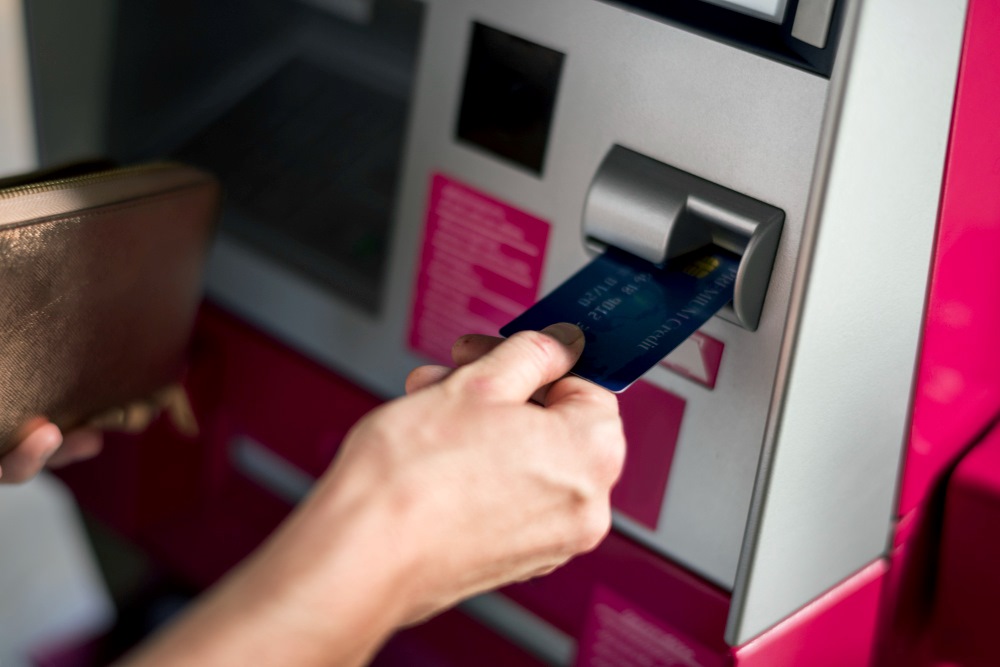
ATMs are an essential component of the Canadian ATM system, and their functionality depends heavily on Interac. When a customer initiates a withdrawal, the ATM communicates with the bank and the Interac network to confirm account balances, authorize the withdrawal, and dispense cash. This ATM processing occurs seamlessly and securely thanks to the network’s standardized protocols.
Without Interac, ATM transactions would be fragmented, and cross-bank withdrawals would be far less efficient. The network ensures interoperability between different banks and ATM operators, allowing Canadians to access their money anytime and anywhere. This reliability has made Interac the cornerstone of ATM operations in the country.
Security Features of the Interac Network
Security is a major factor that has contributed to the trust and adoption of Interac. The network employs multiple layers of encryption and fraud detection to protect debit transactions and ATM withdrawals. For instance, PIN verification ensures that only authorized users can access accounts, while transaction monitoring helps detect suspicious activity in real-time.
These security measures make the Interac network one of the safest platforms for both consumers and financial institutions. Retailers benefit from reduced fraud risk, and ATM operators can process transactions confidently, knowing that Interac’s robust protocols protect users’ funds.
Why Interac Is Ubiquitous in Canada
One of the main reasons Interac is used across Canada is its efficiency and reliability. By connecting all major financial institutions, the network provides seamless access to cash and debit services nationwide. The Canadian ATM system depends on Interac for consistent transaction approval and settlement, ensuring smooth financial operations for both consumers and banks.
Another reason for its ubiquity is convenience. Interac enables Canadians to use their debit cards for a wide range of transactions, from online purchases to in-person payments. Its integration with ATMs, point-of-sale systems, and mobile banking platforms ensures that users can access and manage their funds in multiple ways.
Who Owns the Interac Network?
The Interac network is owned and operated by Interac Corp., a Canadian financial services company established by a consortium of major Canadian banks. Its collaborative ownership ensures that the system serves the interests of consumers, banks, and merchants alike. By being bank-owned, Interac remains aligned with the financial ecosystem it supports, providing reliable services and maintaining trust among users.
FAQ’s
Q1. Who owns the Interac network?
A: The Interac network is owned by Interac Corp., which is collectively owned by a consortium of Canadian banks and financial institutions. This structure ensures that the network operates in the best interest of both consumers and the banking system.
Q2. Why is Interac used across Canada?
A: Interac is used nationwide because it offers a secure, efficient, and standardized platform for debit transactions and ATM withdrawals. Its integration with the Canadian ATM system allows Canadians to access cash and perform payments seamlessly across the country.