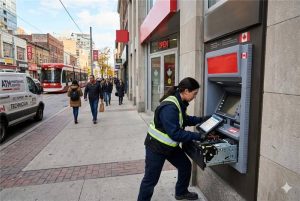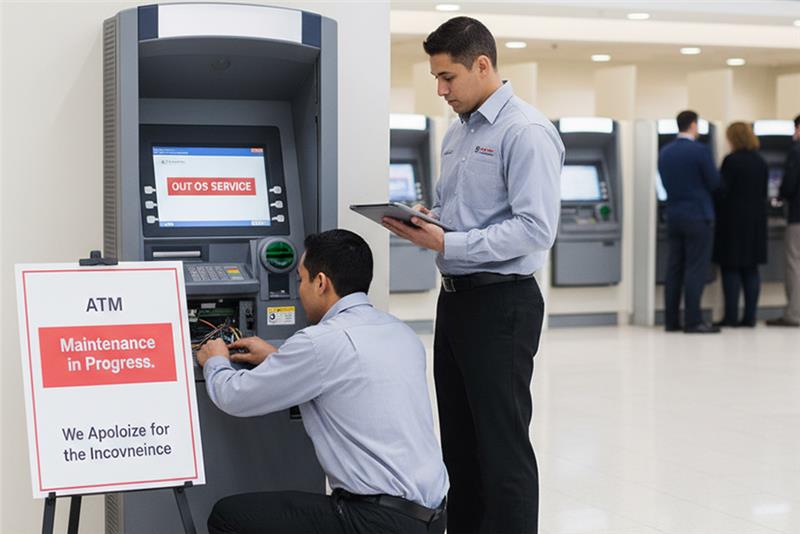
Automated Teller Machines are a critical part of modern banking and retail infrastructure. When they work smoothly, customers barely notice them. When they fail, the impact is immediate—lost transactions, frustrated users, and potential revenue loss. Reliable ATM maintenance services play a key role in keeping machines operational, secure, and accessible always. For banks and independent operators alike, minimizing ATM downtime is essential to maintaining trust and ensuring uninterrupted cash access.
Why ATM Maintenance Matters
ATMs operate around the clock and are exposed to heavy usage, environmental conditions, and security risks. Without proactive ATM maintenance, small issues can quickly escalate into major failures. Routine servicing helps identify worn components, software errors, and connectivity problems before they disrupt service.
Beyond functionality, maintenance also supports compliance and security. Regular inspections ensure that ATMs meet industry standards, protect sensitive data, and reduce the risk of fraud or tampering. In competitive locations, a consistently working machine can be the difference between customer loyalty and lost business.
Common Causes of ATM Downtime
Understanding what leads to ATM downtime is the first step toward preventing it. One of the most frequent causes is hardware wear. Card readers, cash dispensers, and printers experience constant use and eventually require calibration or replacement. Without timely attention, these parts can fail unexpectedly.
Software issues are another major factor. Outdated firmware, configuration errors, or network connectivity problems can take an ATM offline even when the hardware is intact. Power disruptions and environmental factors such as extreme temperatures or moisture can also contribute to outages. Effective ATM service repair addresses these risks through a combination of preventive care and rapid response.
Preventive Maintenance vs. Reactive Repairs
A well-structured ATM maintenance plan balances preventive servicing with responsive repair. Preventive maintenance includes scheduled inspections, cleaning, software updates, and component testing. This approach reduces the likelihood of sudden breakdowns and extends the lifespan of the machine.
Reactive ATM service repair, on the other hand, focuses on resolving issues after a failure occurs. While unavoidable at times, relying solely on reactive repairs often leads to longer outages and higher costs. Combining both strategies allows operators to control expenses while minimizing disruptions and ATM downtime.
The Role of 24/7 ATM Support
Because ATMs are expected to function at all hours, access to ATM support 24/7 is critical. Issues do not follow business hours, and a machine that goes offline overnight or during a weekend can remain unusable for extended periods without round-the-clock assistance.
With ATM support 24/7, technicians can diagnose problems remotely, dispatch on-site service quickly, and restore functionality faster. This level of support is particularly important in high-traffic locations such as hospitals, transportation hubs, and retail centers, where downtime directly affects large numbers of users.
How Professional ATM Maintenance Reduces Downtime
Professional ATM maintenance providers use monitoring tools that track machine performance in real time. These systems can detect warning signs such as cash jams, low supplies, or communication failures before customers are affected. Early intervention significantly reduces ATM downtime and improves overall reliability.
In addition, trained technicians bring specialized expertise to ATM service repair. They understand the specific requirements of different ATM models and manufacturers, allowing for faster and more accurate fixes. This expertise reduces repeat failures and ensures that repairs are done correctly the first time.
Cost Efficiency and Long-Term Value
While some operators view maintenance as an expense, it is more accurately an investment. Regular ATM maintenance reduces emergency repair costs, minimizes lost transaction fees, and protects the machine from premature replacement. Over time, consistent servicing lowers total ownership costs and improves return on investment.
Reliable service also enhances customer perception. Users are more likely to trust and repeatedly use ATMs that are consistently available. Reduced ATM downtime translates into higher usage rates and stronger relationships with customers and partners.
Choosing the Right ATM Maintenance Partner
Selecting a provider with proven experience in ATM service repair and ATM support 24/7 is essential. A strong partner offers transparent service-level agreements, fast response times, and comprehensive coverage for both hardware and software issues. They should also provide detailed reporting to help operators understand performance trends and plan future improvements.
A dependable maintenance partner becomes an extension of your operations, helping you anticipate challenges rather than simply reacting to them.
Final Thoughts
Keeping ATMs operational requires more than occasional fixes. A proactive approach that combines regular ATM maintenance, expert ATM service repair, and reliable ATM support 24/7 is essential for reducing ATM downtime. By investing in professional maintenance services, operators can ensure smooth transactions, protect their assets, and deliver a dependable experience for users who rely on ATMs every day.
FAQ’s
Q1. How often do ATMs need maintenance?
A: Most ATMs benefit from routine maintenance every three to six months, depending on usage and location. High-traffic machines may require more frequent inspections to prevent ATM downtime and ensure reliable performance.
Q2. What causes an ATM to get out of service?
A: Common causes include hardware ware, software errors, connectivity issues, power disruptions, and environmental factors. Prompt ATM service repair and ongoing monitoring help reduce the frequency and duration of outages.