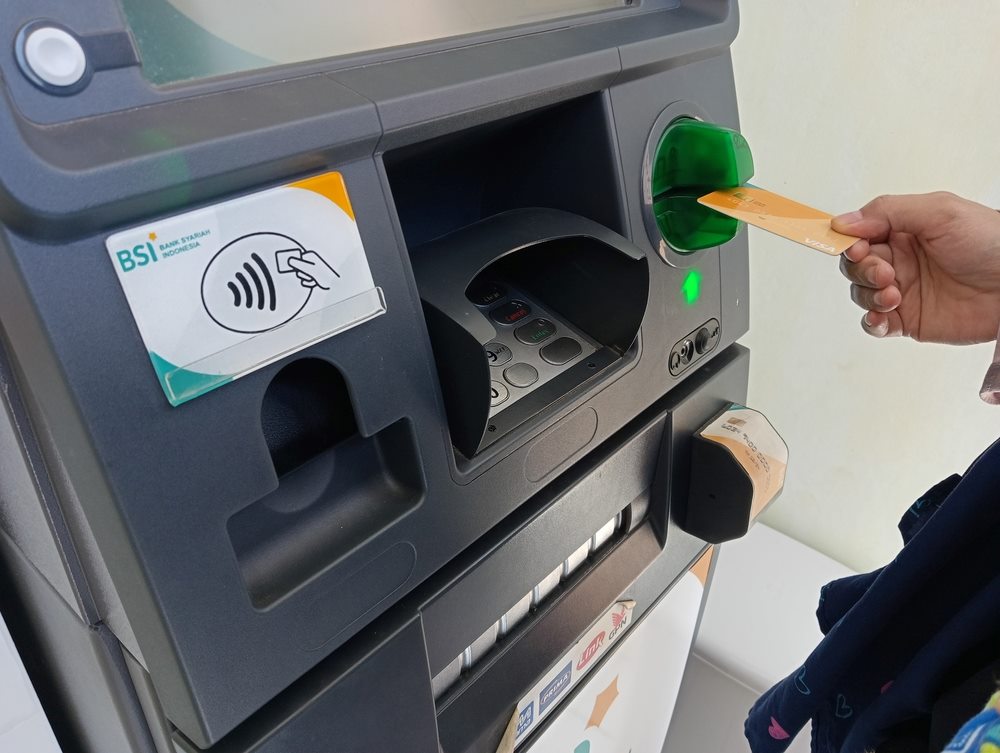
In today’s competitive business world, owners are constantly searching for ways to boost their revenue streams. If you’ve ever considered adding an ATM machine to your business, you might be wondering whether it’s a good investment. As more and more consumers rely on quick and easy access to cash, installing an ATM in your place of business could be a profitable move. Is buying an ATM a smart financial decision?
In this post, we’ll explore the benefits and considerations of owning an ATM and how it can impact your bottom line.
1. What Is an ATM Investment?
Before diving into the specifics of ATM profitability, it’s important to understand what an ATM investment actually entails. Simply put, purchasing an ATM means buying the physical machine and assuming responsibility for its installation, maintenance, and the transaction fees it generates. In return, you earn a percentage of the transaction fees charged to customers who withdraw cash from the machine.
Unlike other forms of investment, where you might be dealing with fluctuating stock prices or real estate values, an ATM investment offers relatively predictable returns. The primary way an ATM generates income is through surcharge fees. These are the fees customers pay when they withdraw cash from your ATM. You, as the ATM owner, receive a portion of these fees, which can add up significantly over time.
2. How Does Buying an ATM Generate Income?
When you buy an ATM, your revenue comes from the surcharge fees customers pay when they withdraw cash. These fees typically range from $2 to $5 per transaction, depending on the location and type of ATM machine. If your ATM is placed in a high-traffic area, the number of transactions can add up quickly.
For example, in a busy retail store, gas station, or convenience store, customers may need access to cash frequently. Every time someone uses your ATM, you receive a percentage of the surcharge fee. While the exact amount you earn depends on the location and traffic, a well-placed ATM can generate substantial monthly revenue.
In addition to surcharge fees, some ATM owners also earn money through transaction processing fees. These fees are typically paid by the financial institutions that use the ATM to serve their customers. However, this income is usually lower than the surcharge fees and may vary based on the specific agreements you have with banks and other service providers.
3. Key Factors Affecting ATM Profitability
There are several factors that impact the ATM profitability of your investment. While placing an ATM in a high-traffic location is essential, it’s not the only factor that influences the income potential.
-
Location: As with any business, location is critical when you buy an ATM. High-traffic areas such as shopping malls, convenience stores, nightclubs, or gas stations are ideal. The more people who pass by and need cash, the more transactions your ATM will process, boosting your ATM’s profitability.
-
Maintenance Costs: Owning an ATM comes with ongoing maintenance costs, such as refilling the machine with cash and repairing any technical issues. These costs are typically low, but they should still be factored into your profit calculations. Fortunately, some ATM owners partner with third-party operators to handle cash replenishment and maintenance, which can save time and reduce the burden on the business owner.
-
Transaction Volume: The more customers who use the ATM, the more profitable it will be. It’s important to consider the type of customers that frequent your business. For example, a business located near a college or university might experience a higher volume of ATM transactions than one in a residential neighborhood, simply because students are more likely to need cash frequently.
-
Security and Compliance: Ensuring your ATM is secure and complies with financial regulations is another factor that affects profitability. While the upfront cost of purchasing an ATM is significant, the cost of keeping it secure is also a consideration. Your ATM must meet all legal and regulatory standards to operate in Canada, which can sometimes involve additional fees for security measures like surveillance cameras and maintenance.
4. Advantages of Buying an ATM for Your Business
Now that we’ve covered some of the factors influencing ATM profitability, let’s take a look at why buying an ATM could be a good investment for your business.
a. Extra Revenue Stream
One of the primary reasons businesses buy an ATM is the opportunity to create an additional revenue stream. If you already have a successful business, adding an ATM can bring in a steady stream of passive income without requiring much effort. With little ongoing maintenance, you could be earning money each time someone uses the machine.
b. Low Maintenance
Unlike traditional retail businesses, which require constant oversight, staffing, and inventory management, an ATM operates largely autonomously. Once you buy an ATM and set it up, you don’t need to spend much time managing the machine, making it a low-maintenance investment. Most of your time will be spent ensuring the machine is stocked with cash and in good working condition.
c. Increased Foot Traffic and Sales
An ATM can drive foot traffic into your store. Customers who stop by to withdraw cash may end up making purchases, especially if they need cash to buy your products or services. Additionally, by offering an ATM on-site, your business can attract customers who may not have visited otherwise, creating opportunities for cross-selling or up-selling.
d. Low Overhead Costs
Compared to other investments, the overhead costs associated with buying an ATM are minimal. While the upfront cost of the machine itself can range from $2,000 to $10,000, depending on the model and features, the ongoing costs are relatively low. You will need to cover the costs of refilling the machine with cash, occasional maintenance, and transaction fees, but these costs are often outweighed by the income you generate.
5. Considerations Before Making a Business ATM Purchase
Before deciding to buy an ATM, it’s important to carefully evaluate your business and location. Here are a few questions to ask yourself:
-
Do I have enough foot traffic? An ATM’s profitability depends on how often it’s used. Consider the types of customers who visit your business and whether they’re likely to need cash.
-
Can I manage the ongoing costs? While owning an ATM doesn’t require a lot of time, you will need to refill it with cash and maintain it. If you’re not comfortable managing these responsibilities, you may need to hire a third-party service provider.
-
Is there enough demand for an ATM in my area? If there are already several ATMs nearby, it might not be a profitable investment. Evaluate whether there’s room in your market for another machine before moving forward.
6. How to Maximize ATM Profitability
To maximize the return on your ATM investment, it’s essential to place the machine in a prime location and keep it well-stocked with cash. You can also partner with local businesses or financial institutions to increase ATM usage, offer higher surcharges for convenience, or even advertise the ATM as a feature for attracting customers.
Conclusion
In conclusion, buying an ATM can be a good investment for businesses with high foot traffic and the ability to manage maintenance. By generating passive income and increasing foot traffic, an ATM investment can help diversify your revenue streams and contribute to long-term business growth. If you are considering a business ATM purchase, be sure to evaluate your location, costs, and potential profitability before moving forward.
FAQ’s
Q1. Is purchasing an ATM machine worth it for my business?
A: Purchasing an ATM machine can be worth it if your business has high foot traffic and you’re prepared for the initial cost and maintenance.
Q2. What are the pros and cons of buying an ATM machine?
A: Pros include passive income, low maintenance, and extra revenue. Cons involve initial investment, cash replenishment, and occasional maintenance.
Q3. How can I profit from owning an ATM?
A: You profit from owning an ATM through surcharge fees from withdrawals. The more transactions, the higher your profit. Proper location is key to maximizing income.